- loading -






The large-scale "Geography Not-a-Lesson" of the Russian Geographical Society are held outdoors throughout the country and beyond. Didn’t get a chance to attend one in person? No worries! Welcome to our online "Geography Not-a-Lesson"!
You’re about to embark on an exciting journey where you’ll learn interesting facts about the peoples of Russia and have the chance to test your knowledge and powers of observation. Keep your eyes open — each game hides not only the answers but also the numbers of a secret code that will lead you to your well-deserved reward.
Good luck!
You’re about to embark on an exciting journey where you’ll learn interesting facts about the peoples of Russia and have the chance to test your knowledge and powers of observation. Keep your eyes open — each game hides not only the answers but also the numbers of a secret code that will lead you to your well-deserved reward.
Good luck!
Hello, dear friend!
Across Russia’s boundless lands,
Countless peoples make their home.
Some are drawn to towering mountains,
Others to the endless sea.
Countless peoples make their home.
Some are drawn to towering mountains,
Others to the endless sea.
Choose three objects from the cultures and everyday life of the peoples of Russia to discover fascinating facts about them.
* Attention! The first digit of the secret code is hidden somewhere in this game.
01.
Cultural
mosaic
RUSSIANS
The Russians are an East Slavic people and the largest ethnic group in Russia. In older historical and literary sources, they were also referred to as "Velikorusy".
SAMOVAR
A symbol of Russian hospitality and comfort. The warmest and most heartfelt conversations took place during long tea gatherings around the samovar, with pies, sweet buns, and jam.
A symbol of feminine beauty. Kokoshniks were decorated with pearls and embroidery and worn on holidays, emphasizing the status and elegance of the outfit.
KOKOSHNIK
The soul of the people. For generations, its lively melodies have accompanied festivals, dances, and family celebrations, helping preserve Russia’s rich musical traditions.
GARMON’
RAMEN
A delicious dish, but not a Russian one at all
A delicious dish, but not a Russian one at all
RITUAL MASK
This item is definitely not part of traditional Russian everyday life
This item is definitely not part of traditional Russian everyday life
FACHWERK (Half-Timbered House)
A characteristic type of house in Europe
A characteristic type of house in Europe
RUSSIANS
The Russians are an East Slavic people and the largest ethnic group in Russia. In older historical and literary sources, they were also referred to as "Velikorusy".
SAMOVAR
A symbol of Russian hospitality and comfort. The warmest and most heartfelt conversations took place during long tea gatherings around the samovar, with pies, sweet buns, and jam.
A symbol of feminine beauty. Kokoshniks were decorated with pearls and embroidery and worn on holidays, emphasizing the status and elegance of the outfit.
KOKOSHNIK
The soul of the people. For generations, its lively melodies have accompanied festivals, dances, and family celebrations, helping preserve Russia’s rich musical traditions.
GARMON’
RAMEN
A delicious dish, but not a Russian one at all
A delicious dish, but not a Russian one at all
RITUAL MASK
This item is definitely not part of traditional Russian everyday life
This item is definitely not part of traditional Russian everyday life
FACHWERK (Half-Timbered House) A characteristic type of house in Europe
The Kalmyk people are traditionally nomadic and are the only predominantly Buddhist people in Europe. They call themselves "Halmgud". Historians believe the term derives from the Turkic and Tatar tribal name "kalmak," meaning "one who remained behind" or "one who separated."
KALMYK PEOPLE
A faithful companion of the Kalmyk people. These hardy animals are indispensable for carrying loads and living in the arid steppes.
CAMEL
DOMBRA
A stringed instrument, the voice of the steppe. For centuries, storytellers passed down legends to its sound, praising freedom and the heroic past of the people.
A portable round dwelling for steppe nomads that protects them from heat and wind. Its design makes it easy to move while following the herds.
YURT
RACCOON
Not a steppe dweller, and not even a resident of Russia
Not a steppe dweller, and not even a resident of Russia
BANJO
Like the raccoon, a visitor from North America
Like the raccoon, a visitor from North America
BOAT
Rivers are scarce in the steppes, so a boat is not the most useful item
Rivers are scarce in the steppes, so a boat is not the most useful item
The Kalmyk people are traditionally nomadic and are the only predominantly Buddhist people in Europe. They call themselves "Halmgud". Historians believe the term derives from the Turkic and Tatar tribal name "kalmak," meaning "one who remained behind" or "one who separated."
KALMYK PEOPLE
A faithful companion of the Kalmyk people. These hardy animals are indispensable for carrying loads and living in the arid steppes.
CAMEL
DOMBRA
A stringed instrument, the voice of the steppe. For centuries, storytellers passed down legends to its sound, praising freedom and the heroic past of the people.
A portable round dwelling for steppe nomads that protects them from heat and wind. Its design makes it easy to move while following the herds.
YURT
RACCOON
Not a steppe dweller, and not even a resident of Russia
Not a steppe dweller, and not even a resident of Russia
BANJO
Like the raccoon, a visitor from North America
Like the raccoon, a visitor from North America
BOAT
Rivers are scarce in the steppes, so a boat is not the most useful item
Rivers are scarce in the steppes, so a boat is not the most useful item
An indigenous people of the Russian North whose life is inseparably linked to the endless tundra. They are a courageous people who have adapted to the harsh yet beautiful Arctic climate.
NENETS PEOPLE
A sacred instrument and a guide to the spirit world. Its rhythmic beats accompany shamanic rituals, restoring the connection between people and nature.
SHAMANIC DRUM
CHUM
A portable dwelling perfectly adapted to the Arctic. Covered with reindeer hides, it reliably retains heat even in the bitterest cold.
The foundation of life in the tundra. It is impossible to imagine this people’s survival in the harsh Arctic without reindeer.
REINDEER
SNOW LEOPARD
It may live in snowy regions, but not in the Arctic
It may live in snowy regions, but not in the Arctic
DJEMBE
A visitor from Africa
A visitor from Africa
SLED
Sleds are used for travelling over snow, but the Nenets use traditional narty
Sleds are used for travelling over snow, but the Nenets use traditional narty
1
An indigenous people of the Russian North whose life is inseparably linked to the endless tundra. They are a courageous people who have adapted to the harsh yet beautiful Arctic climate.
NENETS PEOPLE
A sacred instrument and a guide to the spirit world. Its rhythmic beats accompany shamanic rituals, restoring the connection between people and nature.
SHAMANIC DRUM
CHUM
A portable dwelling perfectly adapted to the Arctic. Covered with reindeer hides, it reliably retains heat even in the bitterest cold.
The foundation of life in the tundra. It is impossible to imagine this people’s survival in the harsh Arctic without reindeer.
REINDEER
SNOW LEOPARD
It may live in snowy regions, but not in the Arctic
It may live in snowy regions, but not in the Arctic
DJEMBE
A visitor from Africa
A visitor from Africa
SLED
Sleds are used for travelling over snow, but the Nenets use traditional narty
Sleds are used for travelling over snow, but the Nenets use traditional narty
1
23
DO YOU KNOW WHICH THE SMALLEST
ETHNIC GROUP IN RUSSIA IS?
According to the 2021 Russian Census, the Kerek people are the smallest Indigenous ethnic group in Russia, numbering only 23 people. They live on the Chukchi Peninsula, mainly in the village of Meinypilgyno.
Although they resemble their Chukchi neighbors, the Kereks have traditionally been shorter in stature, averaging about 140−150 cm (4 ft 7 in-4 ft 11 in).
Although they resemble their Chukchi neighbors, the Kereks have traditionally been shorter in stature, averaging about 140−150 cm (4 ft 7 in-4 ft 11 in).
Until the early 2000s, the Kereks were often officially counted as either Chukchi or Koryaks. Later, ethnographers recognized them as a distinct ethnic group because of their unique language and cultural traditions.
- time for an interesting fact -



FIND THE MISSING WORD
In terms of the number of ethnic groups living within its borders, Russia is one of the most diverse countries in the world. For centuries, members of more than 190 ethnic groups have lived here side by side. Each has its own language, culture, and traditions. That is why Russia is rightfully called
state
what kind?

- mini-game -
Each has its legends, old and bright,
Its language, clothes, and lore;
Some wear rich embroidered garments,
Some warm furs as before?
Its language, clothes, and lore;
Some wear rich embroidered garments,
Some warm furs as before?
02.
Own Traditional Dress
Each People Has Its
A national costume is more than just clothing.
It can tell you a great deal about a person and their people: where they come from, how old they are, whether a woman is married, and which colors and patterns are traditional in that area.
It can tell you a great deal about a person and their people: where they come from, how old they are, whether a woman is married, and which colors and patterns are traditional in that area.
The cut, embroidery, color, and even the knot on a belt — there are no random details here. Every element carries a special meaning. Even neighboring peoples may have completely different outfits, because the history of an entire people is encoded in each costume.
In Udmurt costume, chest ornaments made of coins, metal plaques, and beads played an important role. They not only completed the outfit but were also considered protective charms.
The Mari also had chest ornaments, but embroidery on the shirt and apron was especially prominent, while solid arrangements of coins were used differently depending on local tradition.
The Mari also had chest ornaments, but embroidery on the shirt and apron was especially prominent, while solid arrangements of coins were used differently depending on local tradition.
CHEST ORNAMENT
Udmurt women wore tall headdresses, including the aishon, a distinctive headdress for married women.
Mari women's headdresses differed in shape and decoration: they usually had a softer silhouette and were often adorned with coins, beads, and metal pendants.
Mari women's headdresses differed in shape and decoration: they usually had a softer silhouette and were often adorned with coins, beads, and metal pendants.
HEADDRESS
The Udmurt costume was often completed with a woven belt. Decorative elements and pendants could be attached to it.
The belt was also an important part of Mari dress, and women’s costumes often featured belt ornaments with metal pendants, beads, and cowrie shells.
The belt was also an important part of Mari dress, and women’s costumes often featured belt ornaments with metal pendants, beads, and cowrie shells.
BELT AND PENDANTS
Udmurt embroidery often uses clear geometric motifs, including solar signs, diamonds, crosses, and other ancient symbols.
Mari embroidery is also geometric, but it is easy to recognize by its compositions, dense patterns, and the way ornaments are combined on the chest, sleeves, and hem.
Mari embroidery is also geometric, but it is easy to recognize by its compositions, dense patterns, and the way ornaments are combined on the chest, sleeves, and hem.
SLEEVE EMBROIDERY
Both the Udmurt and Mari peoples wore bast shoes, although weaving methods, toe shapes, and local decorative styles could differ. Leather footwear was also worn with festive costumes.
FOOTWEAR
Udmurt costumes often feature bright combinations of white, red, and black, as well as additional colour accents in embroidery and ornaments.
Mari costumes are especially known for a white base with contrasting red embroidery, sometimes with dark or black details.
Mari costumes are especially known for a white base with contrasting red embroidery, sometimes with dark or black details.
COLORS
Udmurt and Mari costumes differ not only in individual details but also in their overall appearance:
the placement of embroidery, the shape of the apron, and the design of the chest, belt, and headdress. Look closely at the silhouette and ornament — they help distinguish one outfit from the other.
the placement of embroidery, the shape of the apron, and the design of the chest, belt, and headdress. Look closely at the silhouette and ornament — they help distinguish one outfit from the other.
OUTER GARMET
Take a Close Look at the Traditional Dresses of the Udmurt and Mari Peoples
* Use your computer mouse to find the costume details and discover the second digit of the code
Mari Peoples
Udmurt Peoples
8






- time for an interesting fact -
-komi-

- buryat -

- adyghe -
-tatar, bashkir -
- yakut -
- ossetian-
- karelian -

- chechen -

- mari-

How to Say "Thank You" in 10 Languages
of the Peoples of Russia?







GUESS THE MUSICAL INSTRUMENT
The peoples of Russia have their own musical instruments, sounds, and rhythms. Some appeared many centuries ago, while others became part of folk culture later. Look carefully at each picture and see if you can identify the instrument.
- mini-game -
— Listen to the sound of the instrument
The vargan is one of the oldest reed instruments. It is known by different names among the peoples of Russia, and among the Yakuts, the khomus has become one of the main symbols of musical culture.
— Listen to the sound of the instrument
The balalaika is one of the most recognizable Russian folk instruments. It is easy to identify by its triangular body and three strings.
— Listen to the sound of the instrument
The tor-sapl-yukh is a stringed instrument of the Ob-Ugric peoples. It is connected with the musical and ritual traditions of the Khanty and Mansi and is considered a rare monument of northern instrumental culture.
— Listen to the sound of the instrument
The gusli is an ancient Russian stringed instrument. In medieval Rus', it was used by guslars — storytellers who accompanied epic tales and spiritual verses.
One is a herder on the move,
Another ploughs the land.
One is refreshed by honey,
Another drinks cool ayran.
Another ploughs the land.
One is refreshed by honey,
Another drinks cool ayran.
03.
Brain
Warm-Up
A little logic and observation
*plus the final two digits of the code

1
2
3
4
5
6
A
B
C
D
E
F
P
W
B
V
C
A
Y
M
L
Q
I
U
R
T
E
H
N
Z
O
P
V
W
O
Y
C
J
E
Q
F
D
Y
S
X
H
E
K
A
C
H
P
O
C
H
M
A
K

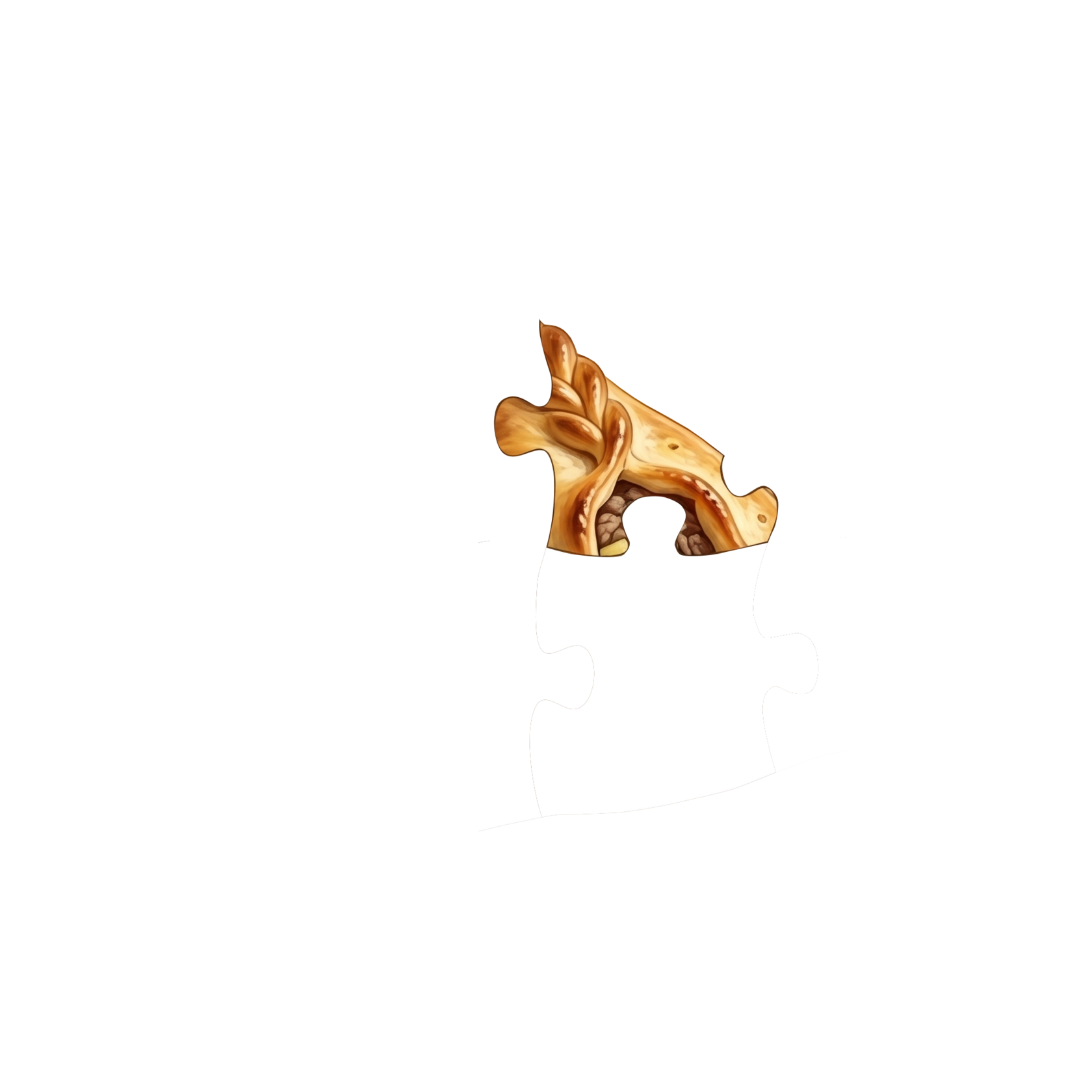
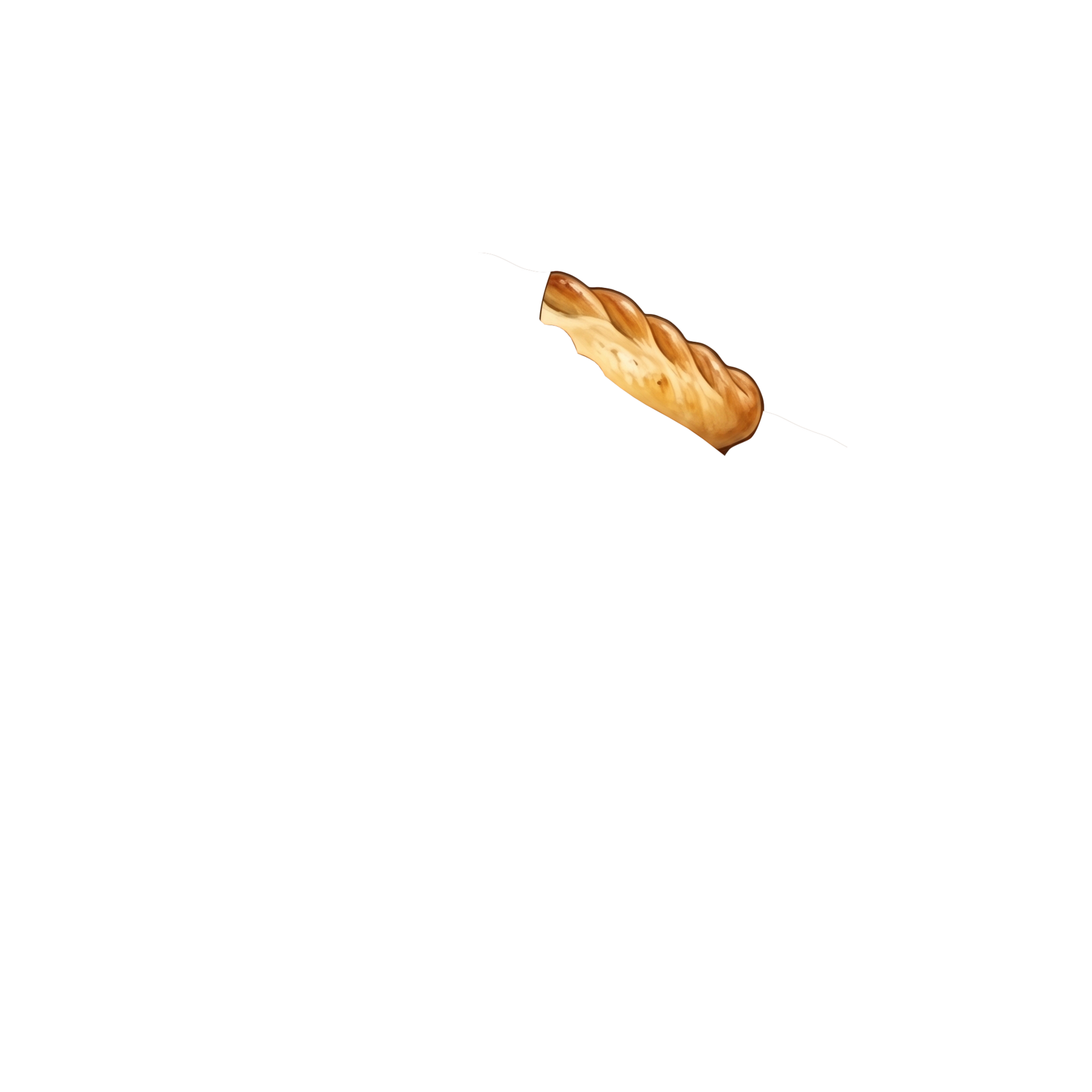
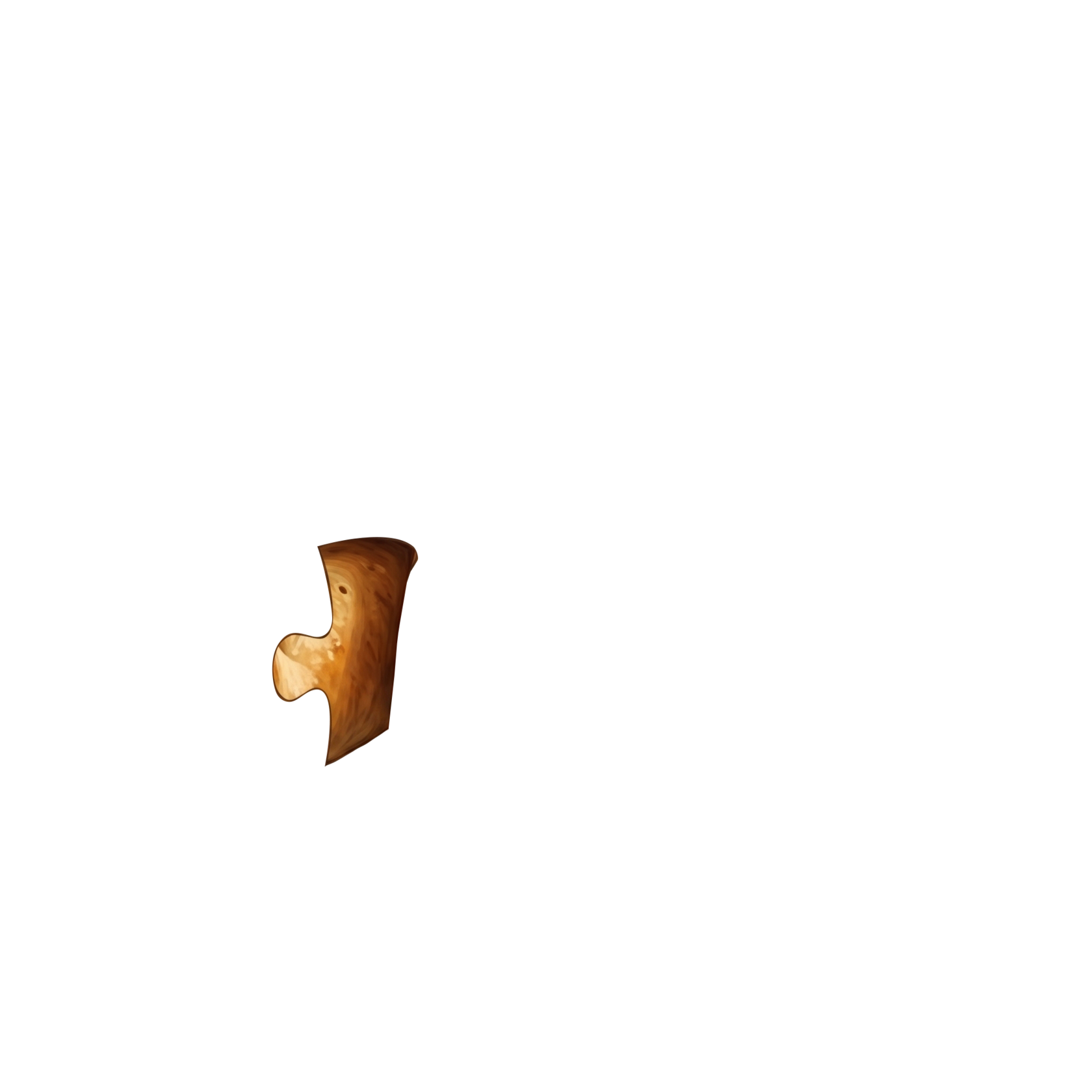
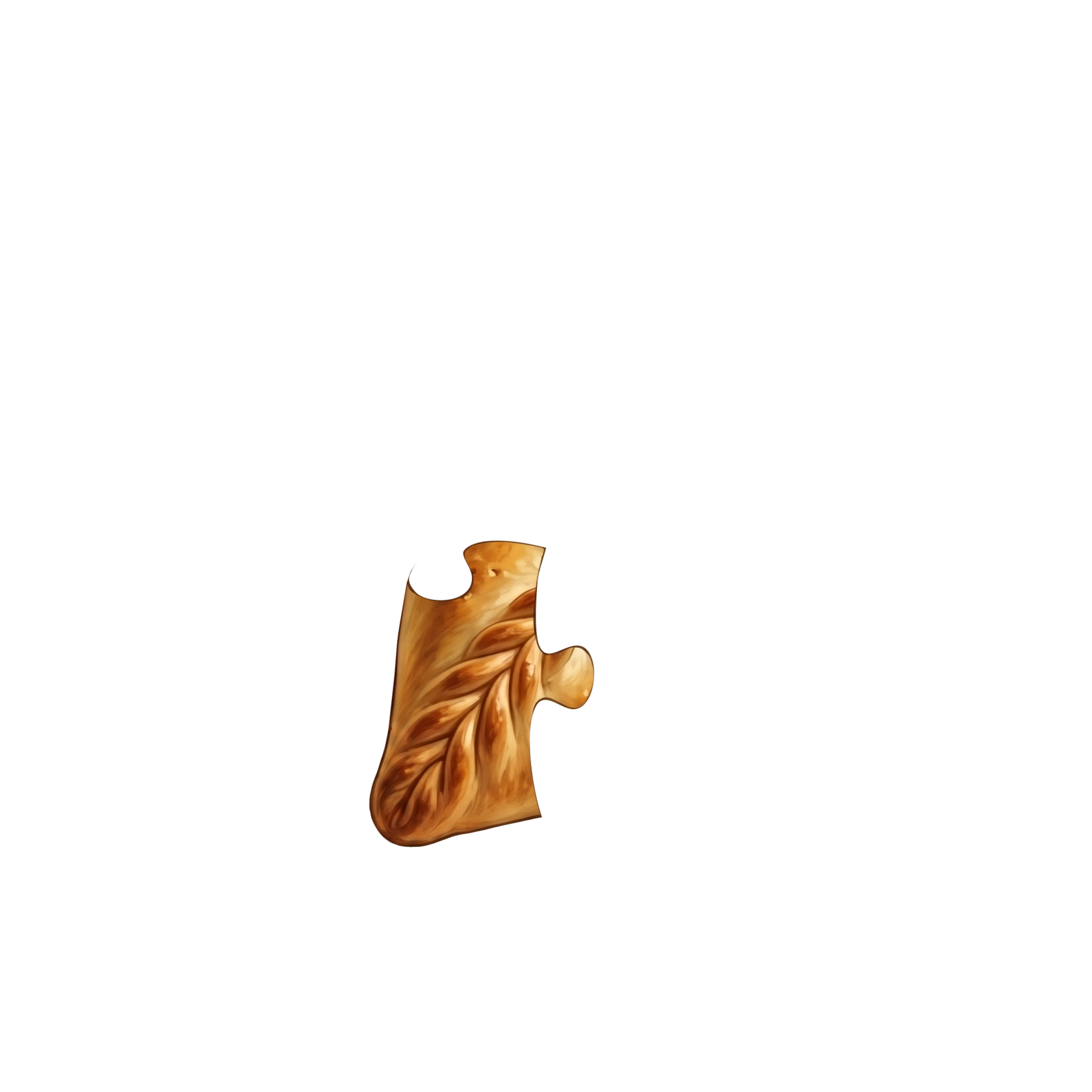
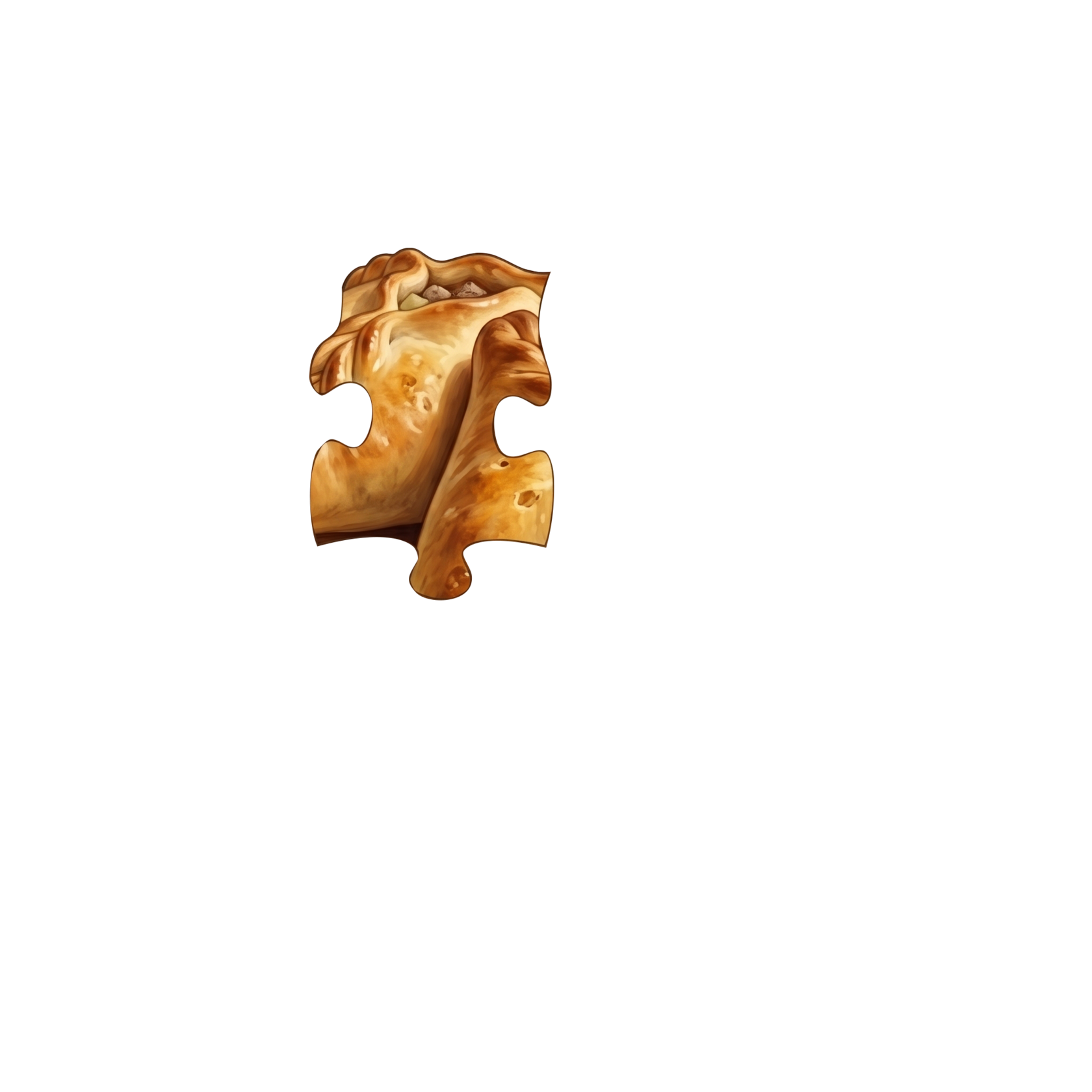
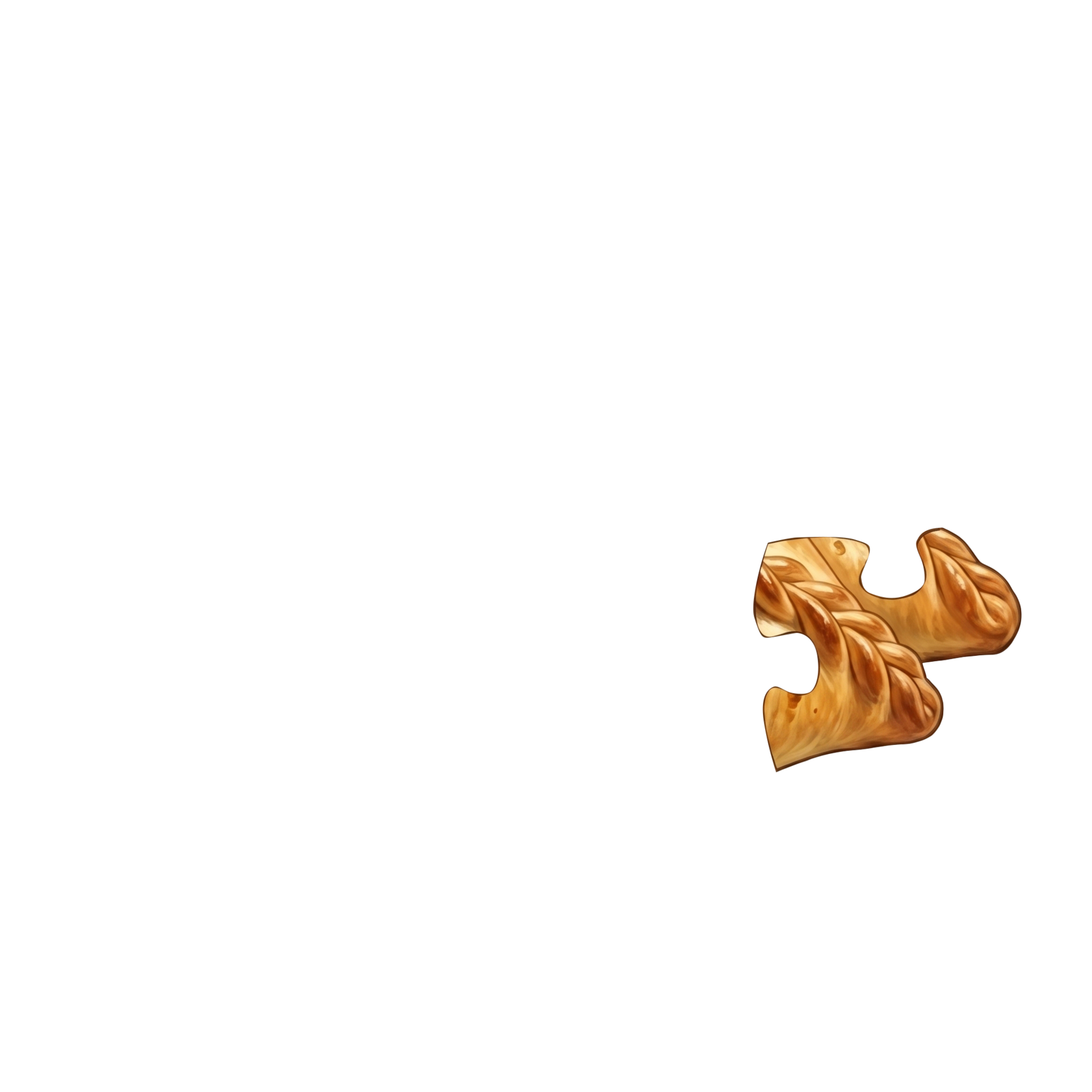


4
C3–А5–C4–A1–D6–E2–F6–B2–D1–E4
P
C
M
A
K
E
H
O
C
H
DECODE THE WORD
You will get the name of a Tatar national dish — a triangular pie filled with potatoes, meat, and onions.
Guess the dish
And you will discover the name of a Russian summer dish that is extremely difficult to translate into other languages.
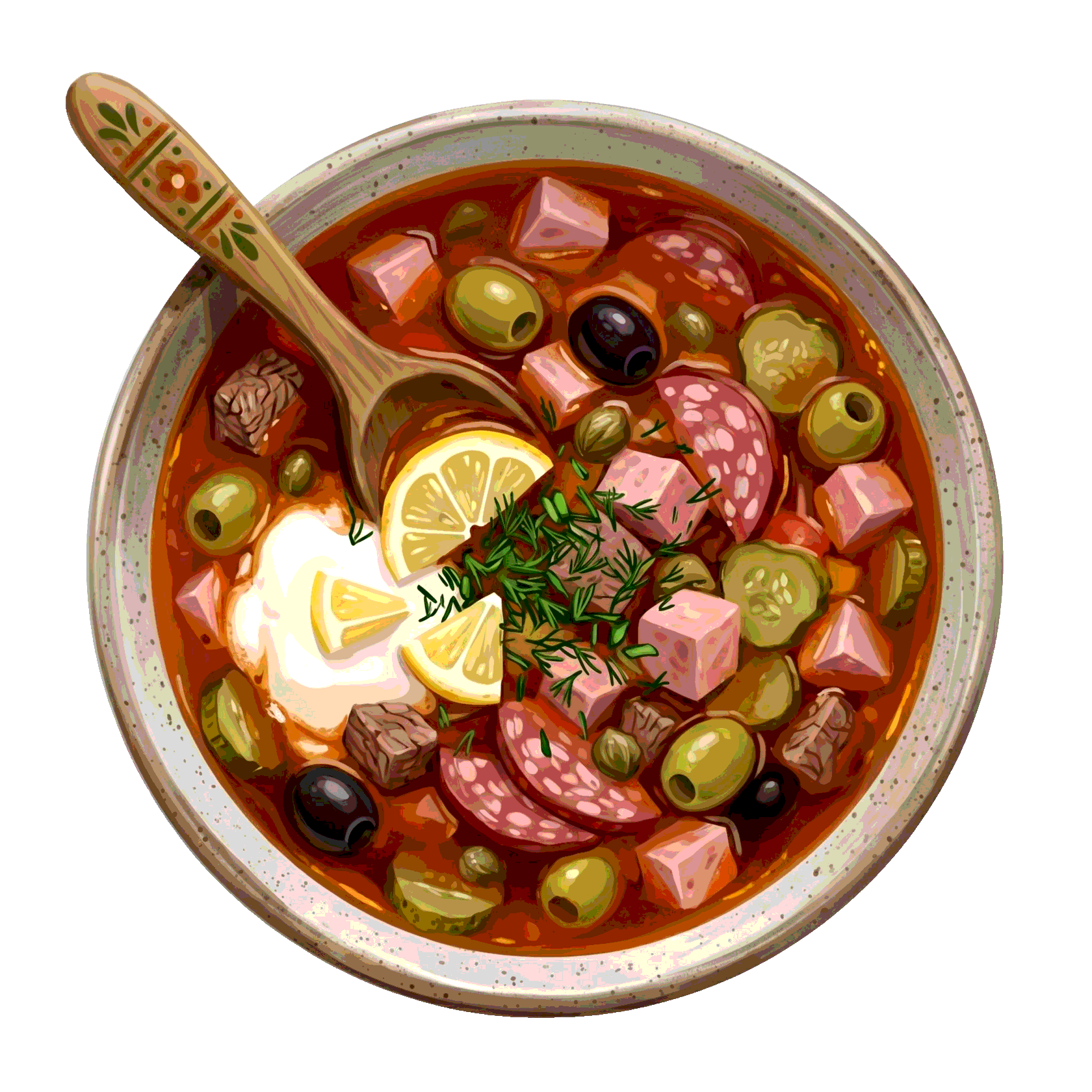
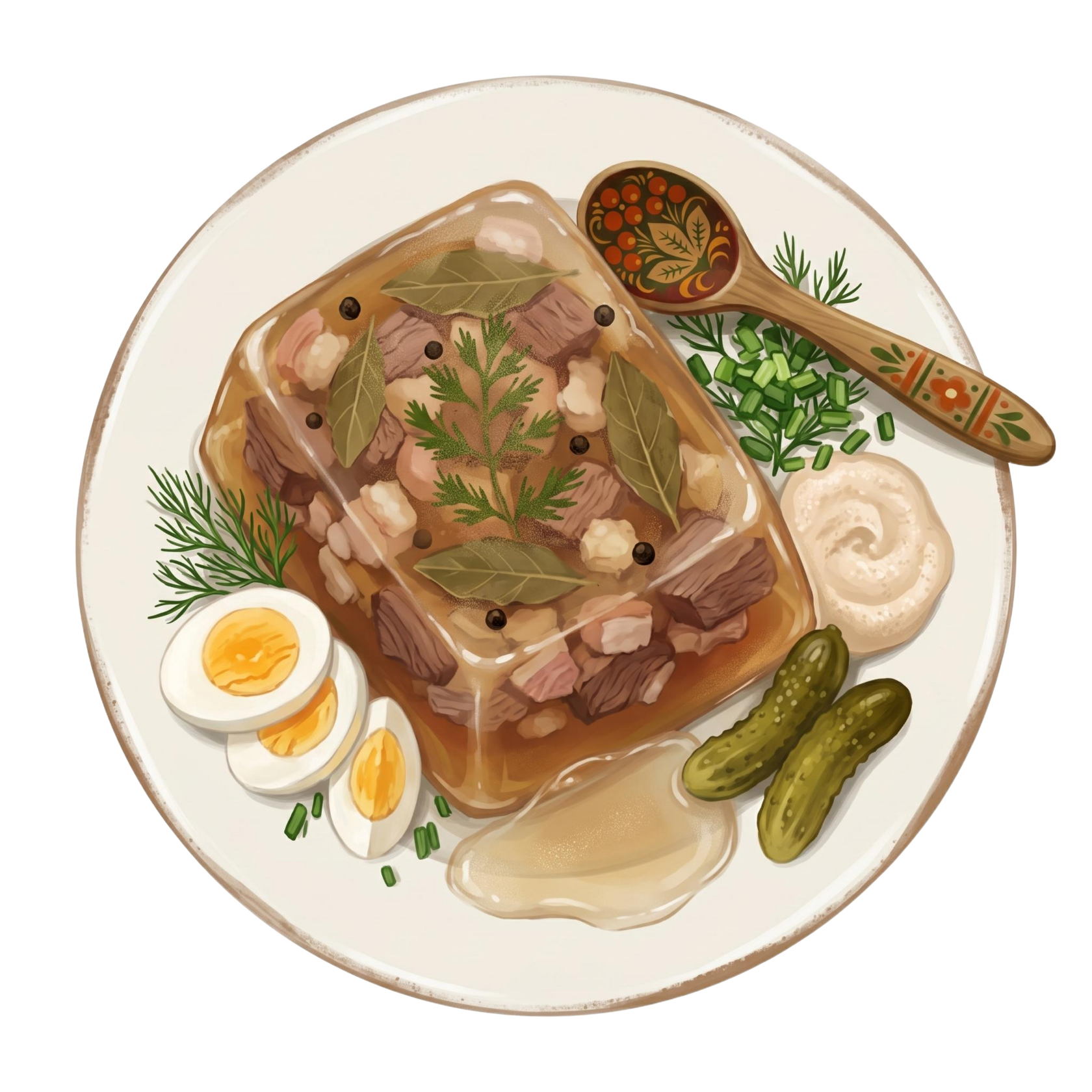
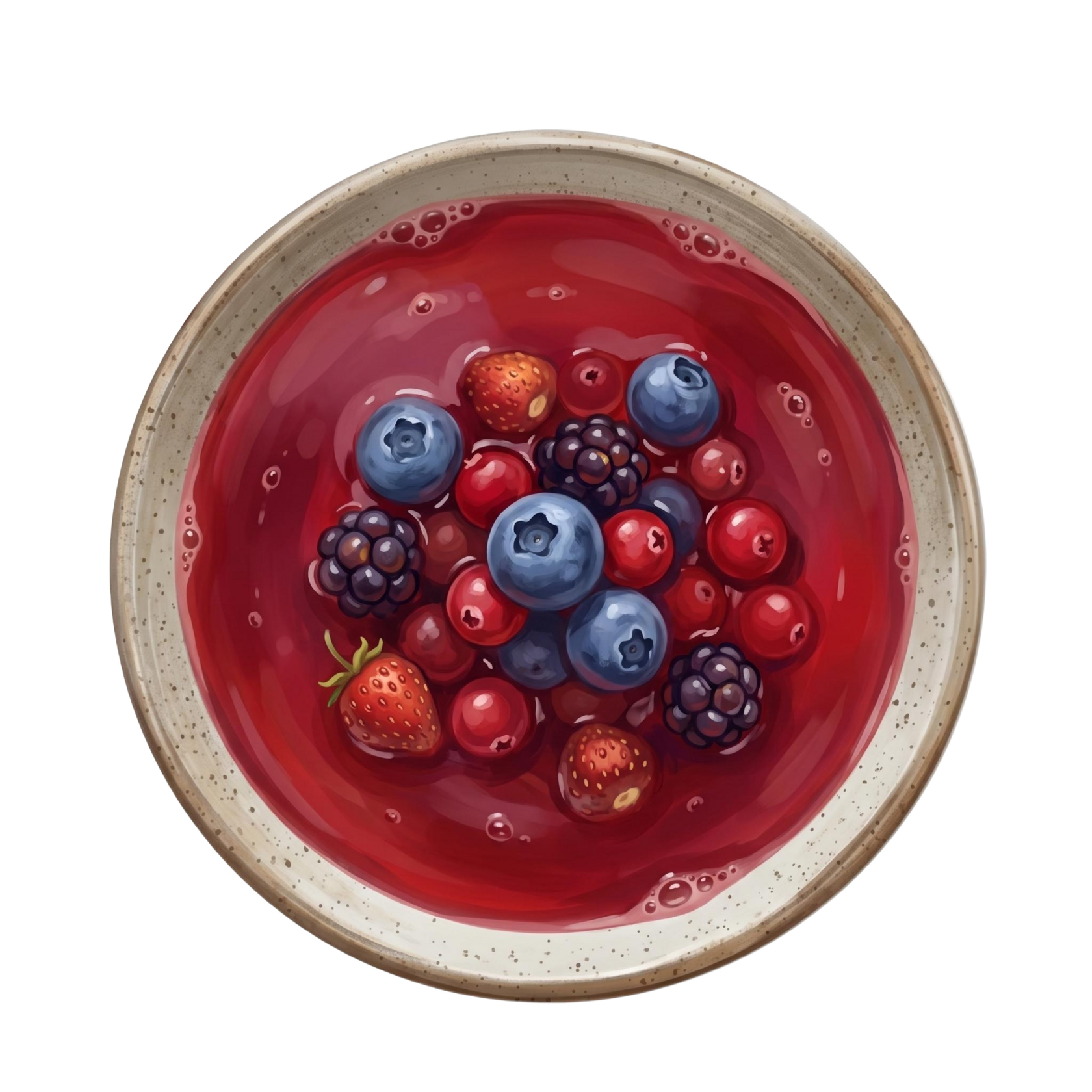
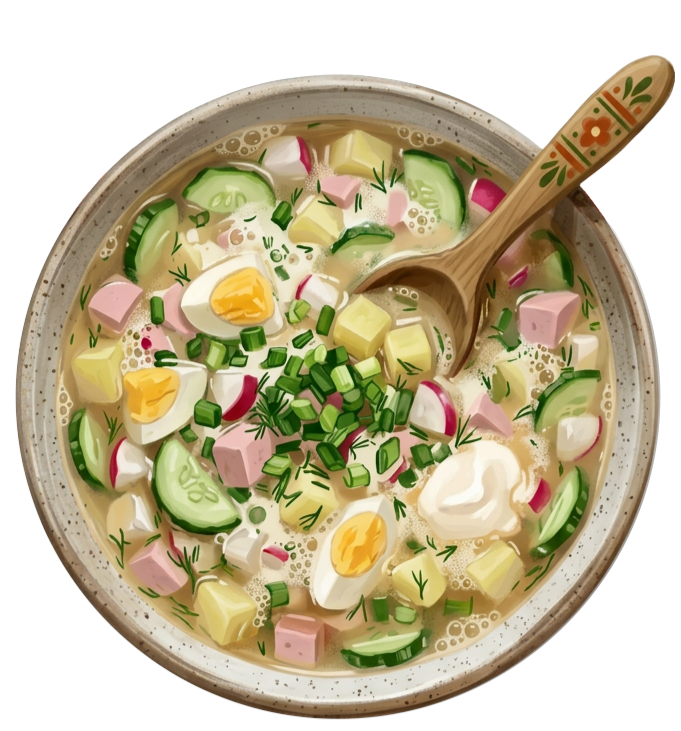
GREAT! THIS IS OKROSHKA
Boiled potatoes, eggs, crunchy cucumber, fresh herbs, and ham as a source of protein — an easy way to make a great salad: okroshka! But then you add kvass or kefir mixed with sparkling mineral water (a huge debate in Russia, by the way), and it turns into a delicious cold soup. Sounds questionable? However, it’s the GOAT summer refresher for Russians on a hot day. Some trendy places in Moscow even make a dessert version of it. Would you dare to try it?
5




COMPLETE THE MAZE
Complete the maze and reach the name of a traditional Buryat, Tuvan, and Mongolian dish shaped like a small cup, usually with an opening at the top.
Click the circle next to the correct exit.
Click the circle next to the correct exit.
Well done!
Buuz (or pozy) is a traditional Buryat dish. The opening at the top is the dish’s main secret, serving three important functions: retaining the broth, allowing excess steam to escape (which prevents the dough from bursting or becoming soggy), and embodying a traditional philosophy—the shape of the buuz is said to symbolize the Buryat dwelling, the yurt, with the top opening representing the chimney (or hearth) through which heat escapes.

DO YOU KNOW WHAT
"SEIDS, MANPUPUNER, AND SHAMANKA" ARE?
Seids, Shamanka Rock and Manpupuner are unusual sacred places of the peoples of Russia, connected with ancient beliefs, nature spirits, and legends. All are found among mountains and forests and show that people in the past saw the world around them as alive and full of mysteries.
They are also united by their connection with nature not only in meaning but in form. People did not build them from new materials — the stones, mountains, cliffs, and natural landscapes themselves became sacred. Click the cards to learn how nature became part of religion and culture.
- time for an interesting fact -
Seids are sacred stones of the Sami people of the Kola Peninsula. They are most often massive, unusually shaped boulders resting on smaller "support" stones, making them appear as though they were deliberately placed there by human hands. The Sami believed that seids were inhabited by nature spirits or the souls of ancestors capable of helping people. Seids are found in remote locations-in the mountains, by lakes, or along the coast. Before setting out to hunt, fish, or embark on a long journey, people would leave offerings such as fish, animal fat, or coins at these sites. It was believed that a seid could bring good fortune or, conversely, punish those who showed disrespect
- sámi people -
seids
- sámi people -
seids
Manpupuner is a group of massive stone pillars, standing 30−40 meters tall, located in the Northern Ural Mountains. Their unusual shapes resemble giant human figures. However, they were formed naturally: softer rock was gradually eroded by wind and rain over thousands of years, while the harder rock remained. This site is sacred to the Mansi people and is associated with a legend about giant shamans who attempted to cross the mountains but were turned to stone. Consequently, Manpupuner has long been regarded as a place of power—a place that should not be visited without respect and a clear purpose.
- mansi people -
Manpupuner
- mansi people -
manpupuner
Shamanka Rock is located on Olkhon Island, the largest island in Lake Baikal, and is considered one of the most sacred places for the Buryat people. It extends directly into the waters of the lake and has a striking appearance: a light-colored rock formation with a deep cave. According to legend, the spirit-master of Lake Baikal lived within the cave at Shamanka Rock. For a long time, ordinary people were forbidden to enter the cave without a compelling reason, while shamans performed rituals near the rock and communicated with the spirits of nature. People believed the site possessed a special power capable of influencing a person’s destiny.
- buryats -
Shamanka
- buryats -
shamanka


MATCH THE PAIRS
Russia is a country where peoples with different religious traditions live side by side. Try to match each religion with the peoples among whom it has historically been widespread.
- mini-game -
TATARS • INGUSH • DARGINS
That’s right! Islam is the traditional religion of many peoples of Russia, including Tatars, Ingush, Dargins, Bashkirs, Chechens, Avars, and many others.
BURYATS • KALMYKS • TUVANS
Exactly! The Buryats, Kalmyks, and Tuvans are among the peoples of Russia for whom Buddhism has traditionally been an important religion. Datsans and khuruls can be found in their regions, and many holidays and customs are connected with Buddhist traditions.
MORDVINS • KARELIANS • KOMI
That’s right! Orthodox Christianity is practiced by many of Russia’s peoples, including the Mordvins, Karelians, and Komi. At the same time, older customs connected with nature worship, seasonal festivals, and family traditions have often been preserved.
Through we may not look alike,
One goal unites us all:
Russia is our common home,
Beloved by one and all!
One goal unites us all:
Russia is our common home,
Beloved by one and all!

